
£6.00

rel 1 A brief history of the Parish of Stoke upon Trent.

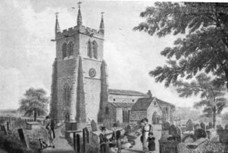
The history of St. Peter’s Church, Stoke-upon-Trent dates from at least the sixth century as a Saxon Cross still stand high in the churchyard. In fact, it was the wealthiest parish in the UK in 1296 because of all the glebe land it owned. Not only was there a Saxon church but also a Norman Church, the arches of which were rebuilt in the late 19th century exactly on the spot of the original Norman Church.
By the late 17th century, the population of the pottery towns started to expand with workers coming in from the countryside. Slowly it became impossible for the church at Stoke to serve such a large parish. As a consequence, the church was divided into a number of separate Rectories with Glebe to support the Rector of the new parishes.
By the early 19th century, the old church in Stoke became totally inadequate to accommodate the demand, and the decision was taken to erect a new church on glebe land to the north of the existing churchyard. It was dedicated in 1834 with a capacity to seat over 2,000 worshippers.
This essay continues to expand on the churches origins near to the Trent and Fowlhey Brook and covers subject like the Rectory water Mills on the Trent, the list of rectors from the 12th century although the church was listed at the time of Domesday in 1086. A number of rectors were appointed by the Crown for services rendered, in fact, one never set foot in England but was in receipt of the church tithes. Interesting facts are also discussed from the church registers and the In Memory of tiles that surround the church interior walls which make fascinating reading.
Thirteen pages packed full of information and photos


Compare

Meet The Author

The history of St. Peter’s Church, Stoke-upon-Trent dates from at least the sixth century as a Saxon Cross still stand high in the churchyard. In fact, it was the wealthiest parish in the UK in 1296 because of all the glebe land it owned. Not only was there a Saxon church but also a Norman Church, the arches of which were rebuilt in the late 19th century exactly on the spot of the original Norman Church.
By the late 17th century, the population of the pottery towns started to expand with workers coming in from the countryside. Slowly it became impossible for the church at Stoke to serve such a large parish. As a consequence, the church was divided into a number of separate Rectories with Glebe to support the Rector of the new parishes.
By the early 19th century, the old church in Stoke became totally inadequate to accommodate the demand, and the decision was taken to erect a new church on glebe land to the north of the existing churchyard. It was dedicated in 1834 with a capacity to seat over 2,000 worshippers.
This essay continues to expand on the churches origins near to the Trent and Fowlhey Brook and covers subject like the Rectory water Mills on the Trent, the list of rectors from the 12th century although the church was listed at the time of Domesday in 1086. A number of rectors were appointed by the Crown for services rendered, in fact, one never set foot in England but was in receipt of the church tithes. Interesting facts are also discussed from the church registers and the In Memory of tiles that surround the church interior walls which make fascinating reading.
Thirteen pages packed full of information and photos

Thirteen pages with photographs

Reviews

There are no reviews yet.

Be the first to review “rel 1 A brief history of the Parish of Stoke upon Trent.”

Your email address will not be published. Required fields are marked *

Select at least 2 products
to compare