The burial register of St Peter ad Vincula Stoke from 1703 – 1752
Set in Excel format spreadsheet

£3.00
The burial register of St Peter ad Vincula Stoke from 1703 – 1752
Set in Excel format spreadsheet
The burial register of St Peter ad Vincula Stoke from 1703 – 1752
Set in Excel format spreadsheet
The church of St. Peter-ad-Vincula the church of Stoke-upon-Trent
1703- 1752 marriage register set in Excel
Following the end of the First World War every village, town and city in the land discussed a memorial to those who had given their life in the Great War. Some created civic memorials in front of town halls some were erected in Parks and Churchyards and others took other forms of remembrance. At Penkhull it was agreed that this should be in the form of a Rood Screen.
It waas this national movement to remenber those who died that prompted Penkhull Church to consider which was an appropriate memorial and worthy of the sacrifice of so many lives and the desire to express thankfulness to Almighty God for allowing Britain to achieve victory.
Plans were drawn of the proposed designed and distributed to every household within the parish. The scheme costing £950 well over £275,000 in today’s money. A Mural Tablet, it was said would be situated near to the Rood listing the names of those who had made the ultimate sacrifice. The plan also included new choir stalls. It was thought that if every household promised to contribute just one guinea that the scheme would become a reality. The project was ‘to the Glory of God, in memory of the brave fallen and as a thank-offering’. As a result volunteers would visit each home to collect their weekly donation of just 3d a week for twenty weeks, such was the poverty in the 1920s.
An Act to authorize a Sale to the respective Land Owners of all Tithes and Rectorial Dues belonging to the Rectory of
Stoke-upon-Trent in the County of Stafford; for endowing Two new Churches; and for other Purposes. [21st June 1827.]
An incredable document of thirty opages which includes a large amount of descriptions of Glebe Land belonging to the Rector, which inclome was being designed to help to build a number of new Anglican Churches in its ancient parish. This Act on 1827 in an historians dream come true.
This fact points to the situation of Church as being a site for early Pagan worship and chosen clearly for its direct location adjacent to a ford across the River Trent. It is from this period that this short account commences which include notes re the first Saxon Church, its dates, history, description followed by the Norman Church which hand in 1876 the two Norman arches re-erected from their remains were found in the water flow to the Rectory Mills.
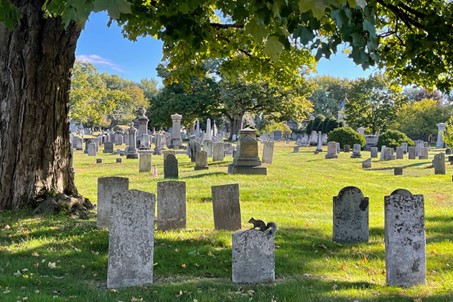
It continues to describe the churchyard and its history of important graves, the ancient parish registers and Stoke Hall the first rectory with a moat around it and loads more. Nine Pages A4 with lots of photographs.
This is in the form of a Spredsheet set in Excel listing the Baptism registers for Penkhull Primative Church from 1878 – 1937.
Great help for those researching their family tree.
I must have spent hours in researching this material of all those who are listed on the church WW 1 memorial, plus others from Penkhull for whatever reason were not listed.
The list of seventeen pages long is compiled in alphabetical order and under each name is given the age, under which body ther served under with full military details of their record and well as family details where possable and home address.
For those searching family histories this is a welcome addition to assist in your research.
Select at least 2 products
to compare


Reviews
There are no reviews yet.