The full record of all burials in the Church of St. Thomas, Penkhull from October 1844 to the last in 1943
This is in spreadsheet format on Excel so seasy to search names. A great help for people working on their family tree

£4.00
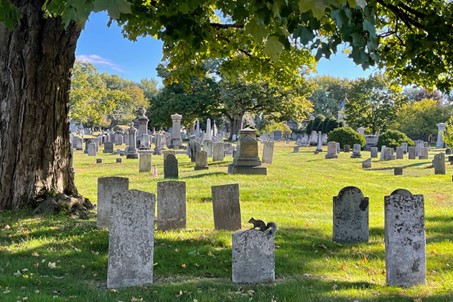
A full record of all burials in the churchyard of St. Thomas, Penkhull from 1843 to 1943
A great help for people researching their family tree
Elzel format on a spreadsheet
The full record of all burials in the Church of St. Thomas, Penkhull from October 1844 to the last in 1943
This is in spreadsheet format on Excel so seasy to search names. A great help for people working on their family tree
The church of St. Peter-ad-Vincula the church of Stoke-upon-Trent
1703- 1752 marriage register set in Excel
This fact points to the situation of Church as being a site for early Pagan worship and chosen clearly for its direct location adjacent to a ford across the River Trent. It is from this period that this short account commences which include notes re the first Saxon Church, its dates, history, description followed by the Norman Church which hand in 1876 the two Norman arches re-erected from their remains were found in the water flow to the Rectory Mills.
It continues to describe the churchyard and its history of important graves, the ancient parish registers and Stoke Hall the first rectory with a moat around it and loads more. Nine Pages A4 with lots of photographs.
St Thomas Church, Penkhull
Marriage Register 1845 -1891 Excel format spreadsheet
The 1840s witnessed a huge growth in Anglican church building within industrial towns, Stoke being just one of them in an attempt to increase the number attending Church of England rather than the Methodist Church whose growth continued undiminished. As a result in districts of Penkhull and Trentvale more people moved into the area and raised the necessary funds two churches before their consecration in October 1842.
For Hartshill, Herbert Minton had already undertaken at its own expense the building of Holy Trinity. At Penkhull, it had been proposed to erect a church by subscription which the Rev Thomas Webb Minton, the son of Thomas Minton the potter consented to endow the church with £1,000 (later to become £2,000) the interest of which would help to pay for a permanent priest and so another step would be made towards the completion of the building. Both were consecrated in October 1842 and still remain an active witness to the worship of God.
Two pages packed with information
The first production entitled Snow White, and the Seven Dwarfs was staged in 1958, and was presented almost in a makeshift theatre in the upper schoolroom of the Sunday School. Because of its huge success and public praise, it was decided to present the panto in what was then called Penkhull Senior School the following year. The new venue had a large stage and many schoolrooms that could be used for dressing and props. The next production, Cinderella, surpassed all expectations and the mould was set for an annual pantomime to be presented the week after Christmas. Mrs Buxton continued to produce for three years and was followed in that important role in 1962 by Mrs Betty Powell, by which time the organisation drew in many helpers to build the props, install the lighting, and paint the scenery from both chapel members and the local community. My mother-in-law, Meg Palmer, took charge of the costumes; Dennis Cotterill the lighting and electrics. Other helpers in those early days were Mrs Marjorie Prophett; Mr and Mrs Tom Rowley; Frank Adams; and Jim Powell who helped to produce the props. A story that will bring back so many wonderful memories both of the pantomimes but the people involved.
Three pages with loads of Panto photographs.
An Act to authorize a Sale to the respective Land Owners of all Tithes and Rectorial Dues belonging to the Rectory of
Stoke-upon-Trent in the County of Stafford; for endowing Two new Churches; and for other Purposes. [21st June 1827.]
An incredable document of thirty opages which includes a large amount of descriptions of Glebe Land belonging to the Rector, which inclome was being designed to help to build a number of new Anglican Churches in its ancient parish. This Act on 1827 in an historians dream come true.
Select at least 2 products
to compare


Reviews
There are no reviews yet.