


The 1920s was a decade known in North America as the “Roaring Twenties” while in Europe the period is sometimes referred to as the “Golden Age” because of the economic boom following World War I, but all this came to an end in October 1929 with the devastating Wall Street Clash.
Provincial Cinematograph Theatres, the country’s largest cinema chain at the time with over one hundred cinemas in the UK had secured the Hanley site as early as 1925. However, with issues with other properties next door it was 1929 before the largest cinema in the Potteries was opened.
Amid all this it was the picture-house which thrived for just a few pence you could leave all the stresses behind as be transformed twice a week to a world of make-believe. This would be created not just by celluloid projected onto a silver screen, but by the sheer splendour of the ‘Picture Palace’ and the new Regent in Hanley was going to be the best in the Potteries The cinema was operating silent movies when it opened. At the same time, a debate was being held between film directors and actors if to proceed with ‘talkies’ because of the costs and wondered if they would oust the silent picture or even rival the appeal of the theatre.
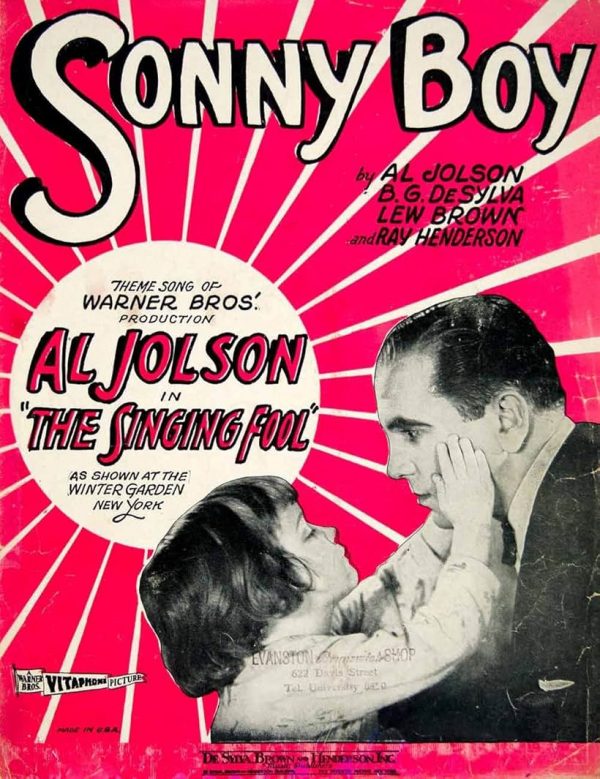
It was not long after that the very first ‘Talkie’ in the Potteries was shown at the Regent in July 1929 when “The Singing Fool” starring Al Jolson took to the screen filling the 2134 seats at four performances a day. At the end of the week the demand was so great with constant queues around the block that the management decided to run the film for a further week. This meant that around 26,000 people came to see history in its making at The Regent and to witness actual words and music coming for the first time from actors. A simply magical story of our lost years. two x A4 pages
por 20 – The poor conditions for vagrants
£2.00Under the Poor Law of 1834 there were no benefits it was simply if you had no money, no home, no job you would apply to be admitted into a workhouse. The objective was to enforce the worst conditions they could in the hope that those desperate would do anything to remain out of the workhouse. Here families were separated by gender and a minimum age necessary for the maintenance of ‘decency’ whereby children were segregated from adults in order to dissuade them from a life of indolence and mendicancy and kept from what was considered ‘sluggish sensual indolence’.
Vagrants or casuals were travellers from town to town, perhaps we could call tramps. The 1834 Act was designed to stem the drain of resources as a deterrent, but vagrants dominated the flow of poor inmates. In 1837 workhouses became obliged to provide temporary overnight shelter for any destitute person, forcing guardians to arrange special accommodation for this category. Initially, vagrants were housed in infectious wards, stables and outhouses anywhere until purpose built vagrant wards were built at the edge of the main workhouse site, frequently having its own access from the highway to avoid contamination with other inmates.
Vagrants would arrive late in the afternoon waiting for admission and their personal belongings removed. The number of beds available for vagrants was frequently limited and late-comers found themselves turned away. In better-regulated wards, they were stripped, bathed and their clothes disinfected, and a bread and water supper were served.
This was the way in which people were treated if they became a burden upon the parish and in turn taxed the local residents based upon the value of their home. Many think the of survival today with increasing costs everywhere, but in reality, nearly two hundred years ago life then was beyond imagination. Read more about times then for those who had nothing except the clothes they stood up in. Yes, the poor law did make some difference to those who came knocking but inside you were treated less than human.



Reviews
There are no reviews yet.